What are Vacuum Ovens?
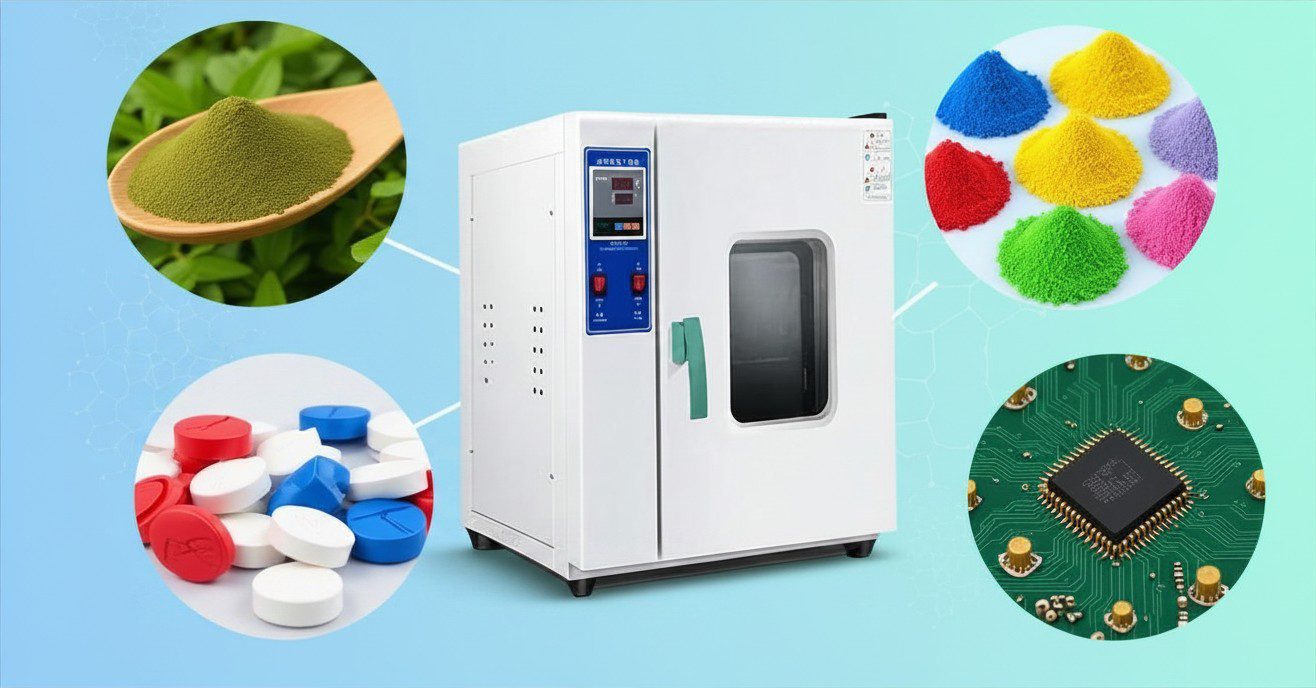
Vacuum Oven is an enclosed heating chamber that reduce air pressure. It removes moisture more effectively and can dry materials faster. They can dry materials with lower temperatures, as the boiling temperature of these ovens is lower. They are great for heat sensitive items like electronic products, pharmaceuticals, or chemicals. The majority of these ovens is used to heat treat, vacuum cure or degass products. Materials will process more efficiently with a reduced oxygen level inside the chamber. This controlled atmosphere improves drying precision and product quality.
How Does A Vacuum Oven Operate?
A vacuum chamber works by combining controlled heating with low air pressure inside a closed chamber. You can remove all the air to create an empty space. Fluids begin to evaporate when the pressure is reduced. Heating elements will then be used to maintain a constant heat, which will speed up vacuum drying without damaging sensitive products. This method can be used in laboratory and industrial vacuum based ovens for the processing of chemicals, electronic products, and moisture-sensitive products. The low-pressure environment helps reduce oxidation as well as improve drying consistency. It also supports precise temperature controls during thermal processing.
Types Of Vacuum Ovens
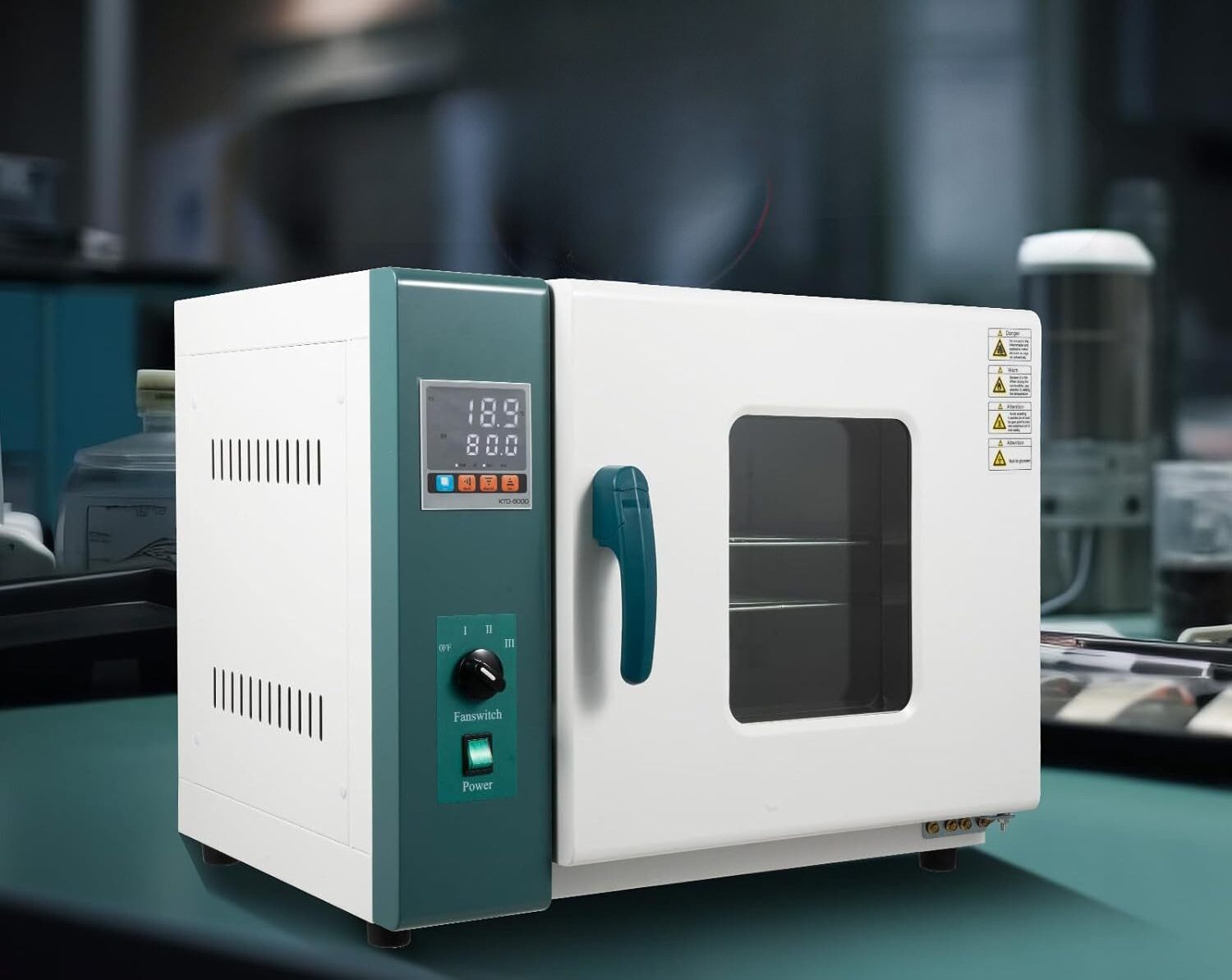
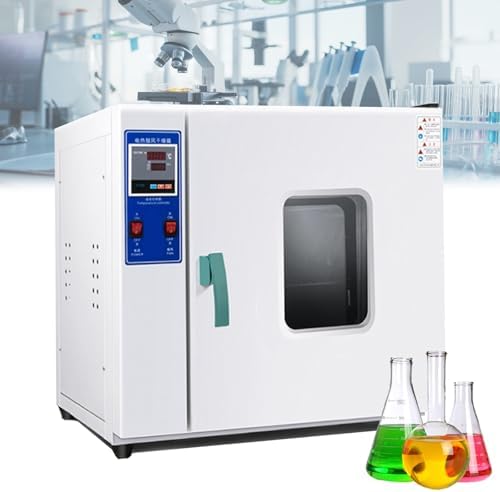
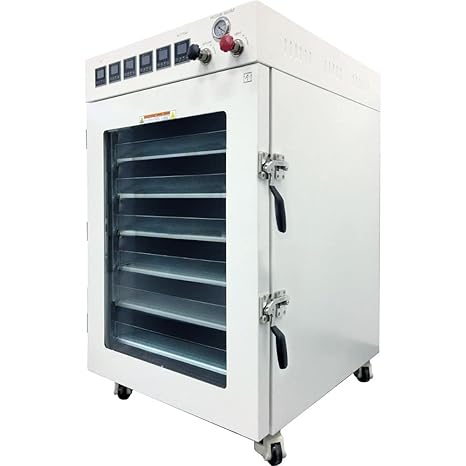
Vacuum Ovens are classified according to their use and capacity. Each model is specifically designed for laboratories and industrial environments.
- Benchtop vacuum ovens:
Compact units are used to test and vacuum-dry small quantities of material in laboratories. - Industrial vacuum ovens:
Large-capacity system designed for manufacturing and heat treatment. - Digital vacuum ovens:
Equipped to precisely regulate temperature and pressurization. - Vacuum drying ovens:
This product removes moisture and heat by heating sensitive items. - High-temperature vacuum ovens:
To be used in situations that call for high temperatures, vacuum, and certain other conditions. - Custom vacuum systems:
Designed to meet specific industrial or scientific requirements.
Vacuum Ovens and Their Common Uses
Vacuum-ovens are used in industries that need precise drying and heating, or heat sensitive processes. They are also used in laboratories to remove moisture and dry chemical samples without causing any damage. For delicate formulations, the pharmaceutical industry uses laboratory vacuum ovens. In the electronics industry, they are used to dry components with no oxidation. In addition to heat treatment and resin curing processes, industrial vacuum ovens also degass materials. In the aerospace and chemistry sectors, they guarantee stable results. They can also be used in the food and herbal industries to help preserve quality and flavor by using a low-temperature controlled environment.
Top Vacuum Ovens In 2026
1. High-Performance Temperature Vacuum Oven
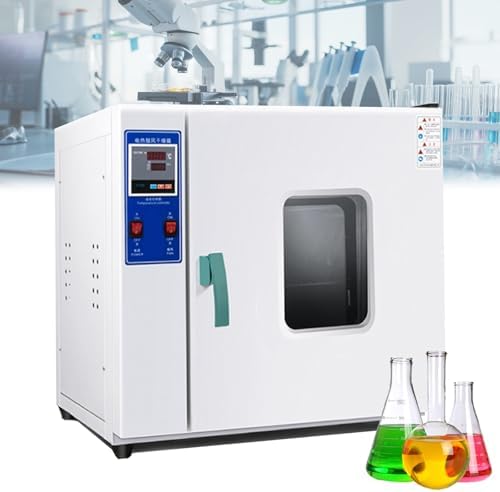
This vacuum dryer is designed for laboratory and industrial drying. It has a large chamber of stainless steel with digital temperature control. This compact 16L chamber is perfect for desktop and small-batch processing. It has programmable temperature settings, vacuum sealing and stable heating to assist in drying heat sensitive materials. This model works best in research labs, for chemical processing and for long-duration vacuum dry tasks.
2. HayWHNKN Digital Vacuum Drying Oven
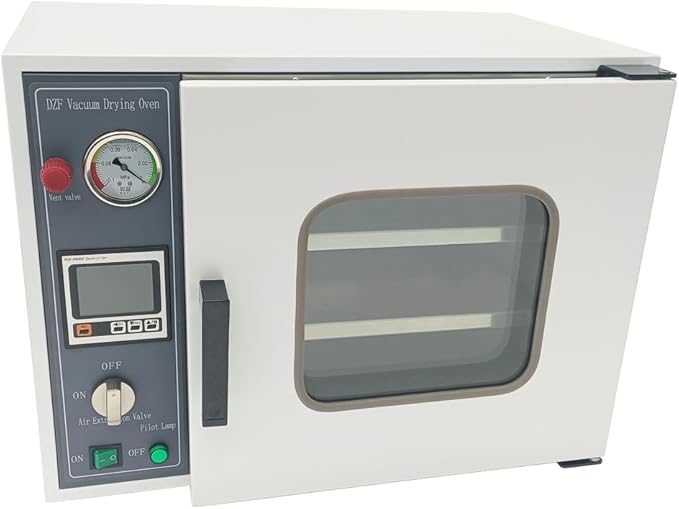
HayWHNKN has a capacity of around 0.9 cubic foot with 304 stainless interior and dual-layer glass window. It features LCD temperature controls, timer functions, adjustable power output and a strong vacuum seal for precise drying. This oven works best in small laboratories for material testing and drying delicate materials that require controlled low pressure heating.
3. Xcwdtdr Vacuum Laboratory Industrial Oven
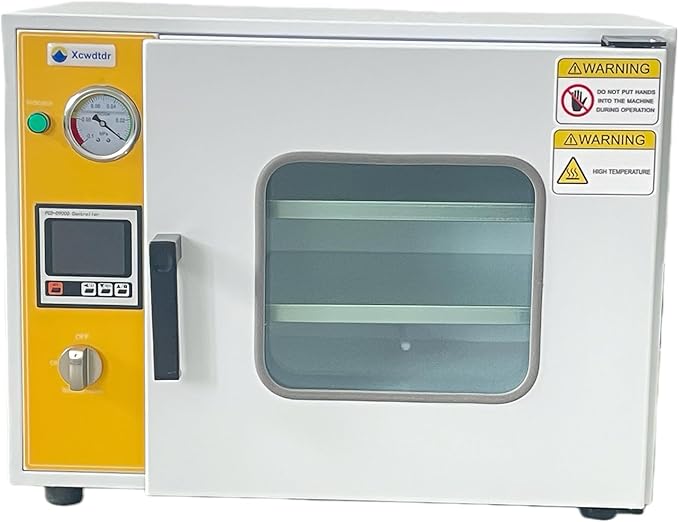
The Xcwdtdr Vacuum Oven is equipped with digital controls, a corrosion-resistant stainless chamber, and a large temperature range for reliable vacuum dry. With its compact-to-medium size, it is perfect for laboratories dealing with powders, electronics and chemicals. It is ideal for industrial laboratories and research facilities that need to dry materials with less oxidation.
4. Drying Ovens 250C Vacuum Drying Oven
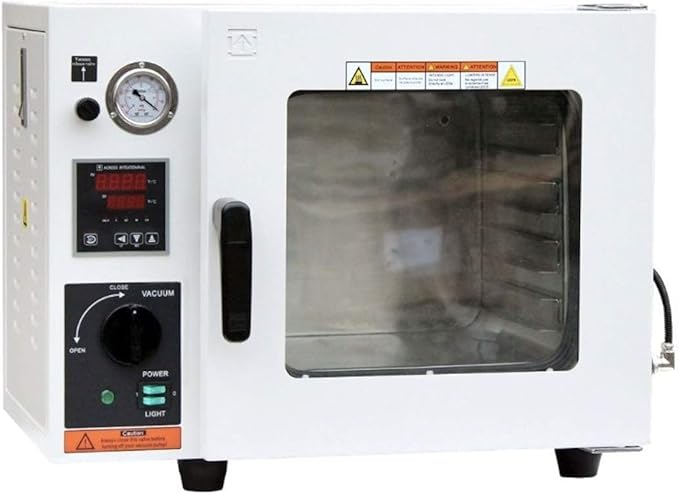
This oven has an internal light and a feature for high temperatures. It also has tempered glass to view samples. It’s Vacuum environment protects sensitive compounds against contamination and overheating. This oven can be used for labs, pharmaceutical work and other applications that need high temperature vacuum processes.
5. Neocision 0.9CF Vacuum-Oven
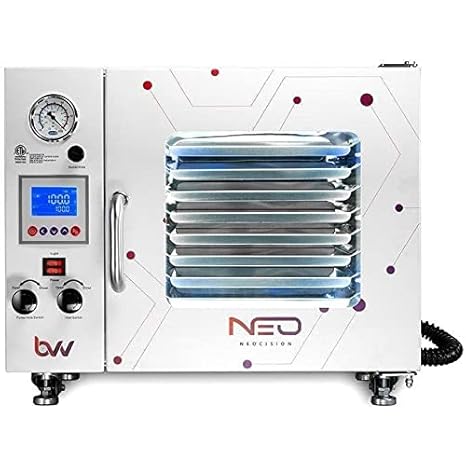
Neocision 0.9CF is a compact vacuum oven with a durable stainless-steel construction. It offers accurate temperature control for dependable drying. This vacuum oven has a safety glass door, good sealing and even heating distribution. It is perfect for drying and removing moisture. This model works best for hobby laboratories, small-scale extracting work, electronics drying and general laboratory usage.
6. Neocision 1.9CF Vacuum-Oven
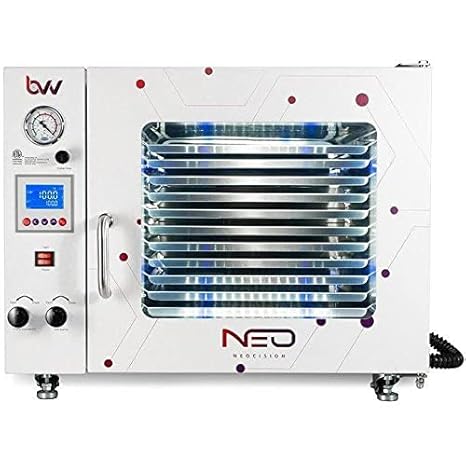
Neocision’s 1.9CF version offers a much bigger chamber to accommodate users who need more space for drying. The same digital controls are used, and the vacuum efficiency is maintained. This oven is capable of handling larger batches with ease and provides consistent results throughout the shelves. This oven works best with medium-sized laboratory operations, users working regularly with bulk samples, and material processing.
7. Across International AT160 Vacuum-oven
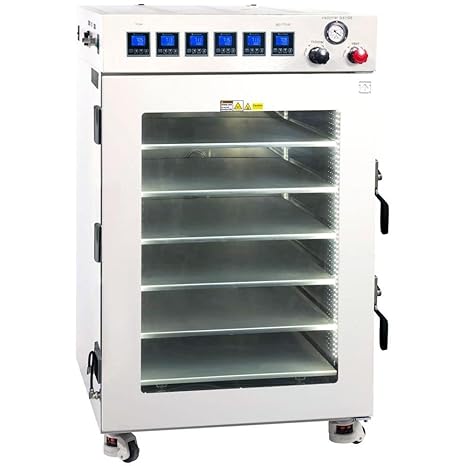
The AccuTemp is a laboratory-grade vacuum oven from Across International. It’s known to deliver professional vacuum performance and precise temperature control. It is made of high-quality material, has advanced temperature management and is equipped with strong safety systems. This oven works best in advanced research laboratories, pharmaceutical applications and professionals that need repeatable and accurate vacuum drying results.
Main components of a vacuum oven
Vacuum-ovens are made up of several parts that work in harmony to produce a low-pressure, controlled environment. The components of these ovens, each have a specific role in ensuring the safety and efficiency, while maintaining a constant temperature. These components are important in laboratory and industrial vacuum dryers/ovens for sensitive materials.
- Vacuum Chamber
The vacuum chamber is a space enclosed within which materials are stored. The vacuum chamber has been designed to be stable and withstand low pressure during heating and drying. - Vacuum pump
By removing air, vacuum pumps lower the pressure within the chamber. The vacuum dryer should reduce the moisture boiling points. - Heating elements
Heating elements produce a uniform, controlled heat within the chamber. Materials are dried efficiently without being overheated. - Temperature Control
The temperature controller allows you to control and set the exact heating level, which ensures consistency. - Pressure gauge
It measures internal vacuum levels so that operators can ensure optimal drying. - Adjustable shelves
Shelves inside chambers allow for flexible loading and even heat distribution. - Door seals
These seals on Lab Ovens are airtight and prevent leakage of air, maintaining a vacuum during
operation. - Safety Protect System
Safety systems provide protection against overheating and pressure imbalance as well as operational defects. - Ventilation valve
The valve allows pressure to be released safely once the process is finished. - Digital control panel
The control panel lets users monitor and adjust settings, such as temperature and pressure, easily.
Vacuum-Oven Benefits
Vacuum ovens are more efficient than conventional heating systems and can be used to dry sensitive materials. These ovens can speed up the drying process because they have a lower temperature at which moisture boils. This allows vacuum drying to be done at lower temperatures which in turn reduces the thermal damage. The vacuum dryers can also minimize the oxidation, which is important in electronic, pharmaceutical and chemical industries. The accuracy of results can be improved by using laboratory vacuum-ovens, and other equipment. The industrial vacuum can increase product quality and efficiency by decreasing contamination. In general, industrial vacuum dryers/ovens offer controlled, safe and efficient processing in a variety of scientific and industrial applications.
Vacuum Oven Temperature Guide
Vacuum dryer/oven requires a good understanding of how the temperature can be controlled. A lower vacuum in a laboratory oven lowers a liquid’s boiling point. This allows drying to be done at temperatures significantly lower than in conventional ovens. Most laboratory vacuums ovens are between 25 degrees Celsius and 200 degrees Celsius, depending on what they’re processing.
Temperatures lower than normal are necessary for heat-sensitive products such as electronic devices and pharmaceuticals. In industrial vacuum based ovens, higher temperatures will be used to heat or cure processes. It is important to maintain a balance between vacuum and temperature in order for the samples to dry correctly. Follow the instructions for each material to prevent heating. This will preserve quality and ensure consistent results.
Models and brands can have different temperature ranges, along with their features.
Vacuum Oven vs Conventional Oven
There are differences between vacuum and traditional ovens in the way they deal with heat and pressurization. Vacuum dryers can reach low temperature drying due to the fact that they operate at low atmospheric tension. Heat-sensitive materials can degrade in conventional ovens. The vacuum dryers can also improve the quality of the product by reducing oxidation. In contrast, conventional ovens are best for general cooking tasks or basic heating. Laboratory vacuum dryers/ovens have greater precision and control. They are therefore indispensable for industrial and pharmaceutical uses.
Important key features before buying
Consider features which can affect performance and safety before choosing these ovens. The designs of laboratory and industrial vacuum based ovens are very different. Therefore, choosing the correct one is dependent on your application.
- Chamber size:
Chamber size is crucial in order to process the quantity of material. - Temperature range:
Compatible with different vacuum drying applications. - Vacuum level:
Effects on drying speed and effectiveness. - Material structure:
These stainless steel chambers provide resistance, durability and longevity. - control system:
Digitalized panels offer greater accuracy and convenience. - Safety Features:
Avoid pressure and overheating issues. - Maintenance:
Reduced maintenance models lower long-term costs. - Warranty Support:
This is essential for reliability and assistance with technical issues.
Vacuum Oven Safety Tips
A Vacuum Drying Oven safe operation is essential because of the low pressure, heating, and sealed environment. Check the door seals before you use them. It will also prevent leaks and ensure temperatures within the recommended range. It is important to avoid overloading a chamber in order for the heat and pressure to remain consistent. Monitor the pressure during operation. Only use compatible materials that do not release harmful fumes. Release the pressure by controlled venting slowly after processing. To ensure safe, efficient, and effective vacuum drying, check your vacuum system regularly and make sure to inspect the heating and seals.
Vacuum Oven Common Problems and Solutions
Common Vacuum Oven Problems
- Vacuum leaks can be caused by damaged door seals on vacuum cleaners.
- Heating unevenly caused by overloaded shelving, defective heating elements or other problems
- Slow drying caused either by low vacuum levels or high moisture in the sample
- Sensor or controller issues can cause temperature fluctuations
- Poor performance can be caused by poorly maintained vacuum pumps, or oil contamination.
Vacuum Oven Solutions
- You can repair vacuum leaks by replacing door seals or by repairing them.
- Recalibrating the system and loading chamber for uniform heating
- Optimize the chamber and check vacuum pump performance.
- Stabilizing the temperature is achieved by calibrating or replacing the sensor.
- Regularly change and service oil inside vacuum pumps to ensure maximum performance.
Vacuum oven maintenance
Your vacuum’s performance and its security are dependent upon the regular maintenance that you provide. The chamber should be cleaned regularly to avoid residue. Vacuum pumps require routine maintenance to keep pressure at a high level. As well, you should inspect the seals and gaskets of your doors. If necessary, they need to be replaced. Verify the connection between electrical and heating elements. Electrical connections and heating components must be checked. Tests can be conducted periodically on the vacuum drying system to determine its stability and efficiency in industrial as well as laboratory applications.
Uses of Vacuum ovens
Vacuum Drying Ovens play a vital role in any industry that requires precise drying as well as the regulation of temperature and protection of sensitive materials. They can be used to process precisely as these ovens work with low-pressure vacuum.
- Pharmaceutical industry
Drying heat-sensitive actives and compounds is not harmful. - Electronics manufacturing
It is important to eliminate moisture in electronic industries to avoid corrosion. - Chemical industries
It supports the controlled reaction of solvents, as well as sample preparation and preparation. - Aerospace sector
Useful for material testing, curing composites, and precision engineered parts. - Research Laboratories
Vacuum drying ovens are essential to experiments that require controlled drying. - Food Processing
When used in low-temperature dryers, it preserves natural properties and quality.
The vacuum drying ovens in these industries are crucial for safety, accuracy, and consistency of product quality.
Avoid these Mistakes When Using Vacuum Ovens
In order to achieve safety, accuracy and consistent vacuum drying it’s important that you operate your vacum oven the right way. User errors are often the cause of performance problems.
Overloading the chamber:
Blocking airflow, heat circulation, and reducing efficiency.
Use incorrect temperature settings:
Overheating can alter the chemical composition of materials and damage them.
Ignoring Vacuum Monitoring:
When vacuum is not monitored, drying performance and control are reduced.
Not performing routine maintenance:
Seals, pumps and calibration are all important components that can affect the performance of your system.
Avoid incompatible substances:
Some substances can emit toxic vapors, or even react under vacuum.
Sudden venting after an operation:
A sudden pressure release could damage parts or samples.
Avoiding these errors will ensure your equipment is more efficient. The equipment will have a longer lifespan.
FAQs
Q:1 For what is a vacuum-oven used?
In laboratories, the electronic and pharmaceutical industries and in laboratory materials processing under low pressure.
Q.2 What’s the use of vacuum dryers?
As air pressure drops, the vaporization rate of water drops increases. Materials can then be dried more quickly.
Q:3 How do vacuum dryers/ovens differ from conventional ones?
In the vacuum drying oven, low pressure air is used to control a variable temperature. Conventional ovens operate at high temperatures using normal pressure air.
Q: 4 Can a vacuum dryer damage materials?
If used incorrectly it may damage sensitive materials.
Q.5 How long will it take for vacuum drying to be completed?
The drying time dependent over two factors: the humidity level and the type of material inside the oven.
Conclusion
Vacuum dryers can be used by the laboratory or industrial sector to precisely dry and cure materials. A vacuum dryer can work at low temperature and pressure. These ovens allow for efficient drying. The laboratory and industrial vacuum-ovens provide high-quality, consistent results in all industries. Selecting and operating them correctly can improve process control, product stability, efficiency, and quality. Understanding the components and their proper use will help users to achieve reliable performance as well as extend equipment lifetime in both research and production environments.
These information are gathered from different surveys, medical tests and tech giants like google, Techradar, and more. Our top priority is to provide you valuable information.
For More Details About Different Ovens Click Here