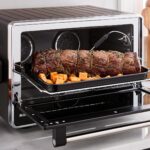
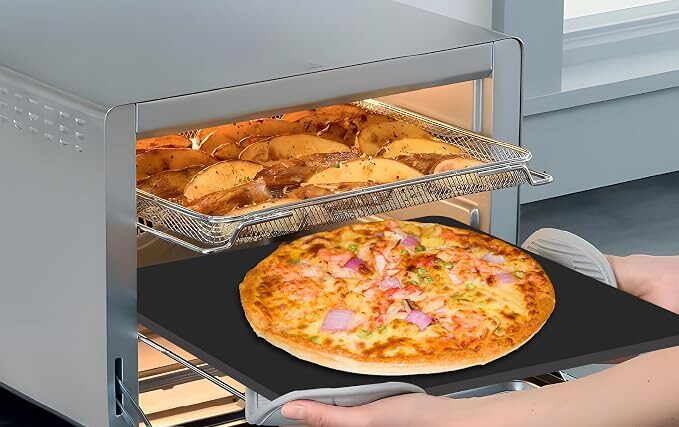
How to choose the best pizza steel
What type of oven and how often you cook pizza will determine the type of steel you use. Consider the weight, size, and thickness of the steel as well as its surface design before purchasing. It will heat the oven faster if you use thicker but heavier steel. The steel must be able to fit tightly in the oven with enough space around its edges. It is popular due to its good heat transfer. Stainless steel is easier to clean. Consider handles and seasoning requirements. Maximum temperatures are also important.
Why Use a Pizza Steel?
A baking steel for pizza can be used to achieve a crispier crust and a more uniform surface than is possible in a home oven. Its high conductivity allows for more efficient heat transfer into the dough and faster browning of the bottom than other traditional baking surfaces. It can also recuperate heat between pizzas. Unlike ceramic stones, steel pizza plates do not crack easily due to thermal shock. The pizza baking steel is heavier and requires seasoning. If you make home pizzas often, this upgrade is worth considering.
Pizza Steel Thickness
The thickness and weight of a pizza iron will affect the recovery time, heat retention, as well as preheating.
14 Inch: Lightweight. A good choice for casual home pizza baking.
3/8 Inch: More heat retention and recovery. It is an excellent option for those who frequently make pizza at home.
1/2-inch: This product has the maximum thermal mass for heat retention, but it is heavier than other products and requires more time to heat up.
What size of Pizza baking Steel Do you Need?
Your oven’s size and space will determine the best steel for your pizza. You can use a 12-inch plate for smaller pizzas. A 14-inch plate has a larger cooking surface to accommodate bigger homemade pizzas. 16×16 and16x20 can be used to accommodate larger pizzas or more items. They require a larger oven. Measure the oven rack and interior dimensions, including depth and width. Also, make sure you measure the door clearance.
Pizza Steel Surface Material Design
Carbon steel vs. stainless steel
Carbon steel is a fast-heating metal that produces a crusty surface on your food. You’ll get rust if you don’t dry it and season it. Stainless steel, on the other hand, is way more forgiving — it doesn’t corrode as easily, so if you don’t want to fuss over maintenance, that’s the way to go.
Solid vs. perforated pizza steel
Solid pizza plates provide direct heat, which produces a crisp bottom crust. The perforated models have openings that reduce weight, improve airflow and prevent direct metal contact. For most home ovens, the solid steel option is easier to choose for consistent pizza results.
Pre-Seasoned Vs. Unseasoned Steel Pizza
A Pre-seasoned Pizza Steel is already coated with a protective layer. This makes it easy to use, without any extensive preparation. Beginners and those who want to bake quickly can find it a convenient option. Unseasoned steel is a good choice for beginners and anyone who wants to start baking quickly. Both types will produce good pizzas if they are properly maintained. Follow the instructions of the manufacturer and make sure you keep the steel clean. It is possible to remove rust if it’s visible. Steel can also be reseasoned to continue using.
Buying Guide: Top Pizza Steels of 2026
1. Starter — AJinTeby Pizza Baking Steel (13.5″ x 13.5″ x 1/4″)
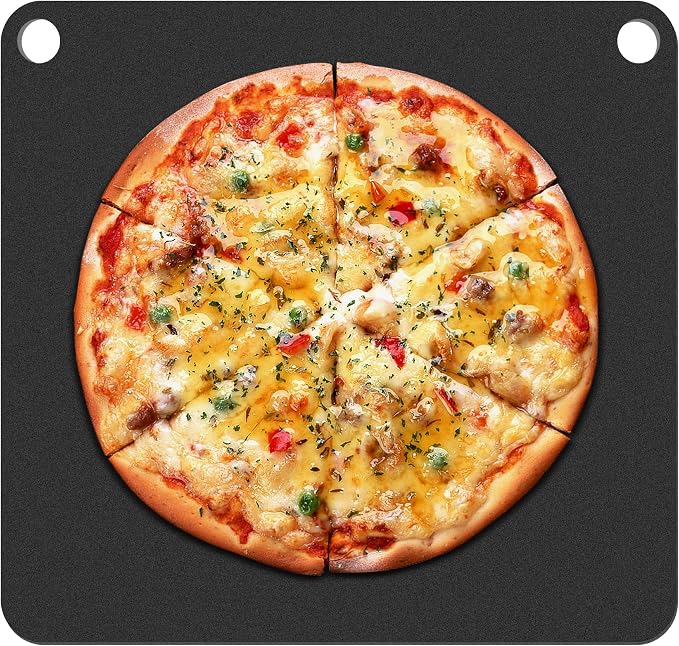
The compact, 1/4-inch thick steel plate is made of solid carbon steel. It does not need to be seasoned. This steel is easy to store and use because of its lightweight and compact size. This is a good option if you are looking for a first baking steel that’s easy to use and doesn’t require a large slab.
2. Standard — UMAID Pizza Steel (16″ x 13.4″ x 1/4″)
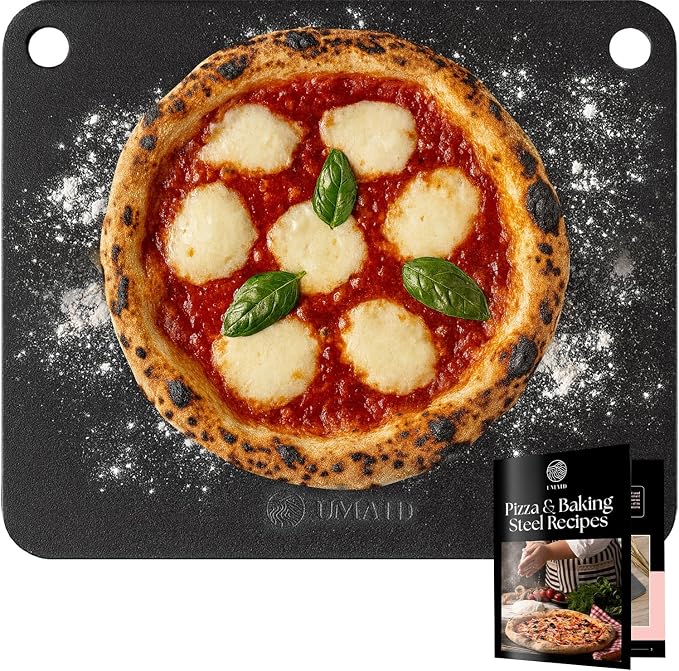
This 1/4″ thick carbon steel plate comes pre-seasoned, black-finished and can be used as a griddle on stovetops and grills. Includes a booklet of 15 recipes for pizza and bread. This is a good option if you are looking for a steel that can be used both for indoor baking as well as outdoor grilling. It comes with downloadable recipe guides.
3. Standard/Popular — The Original Baking Steel (14″ x 16″ x 1/4″)
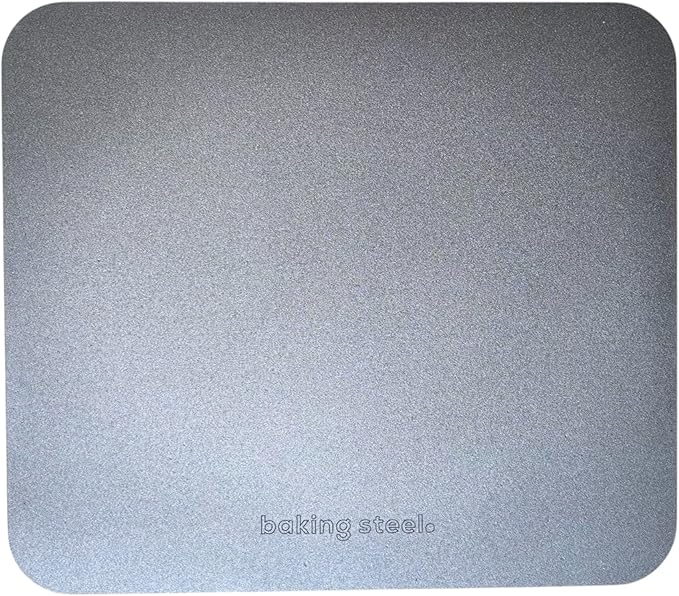
This is the steel that launched the category. Hand-pre-seasoned in Massachusetts and weighing 16 pounds, it’s made from low carbon steel, which has 18x the conductivity as ceramic stones. If you are looking for a baking steel that is the most trusted and proven, with a track-record since 2012, this product will not disappoint.
4. Large — VEVOR Pizza Steel (20″ x 14″ x 3/8″)
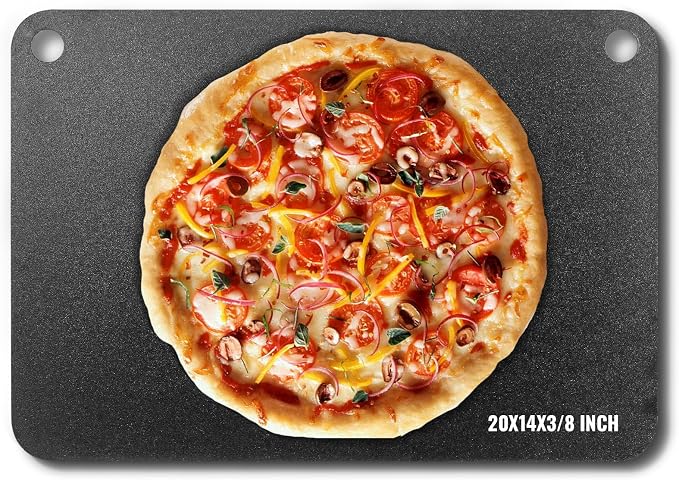
This heavy 3/8 inch plate provides a larger surface for cooking than standard stainless steel. It is pre-seasoned with oxidation and blasting to give it a rust resistant black finish. The heat is retained longer after the oven has been removed. Useful if you need a larger surface area to cook multiple pies or bigger pizzas without having to wait long between baking.
5. Large/Pro – Dough-Joe Emperor (15 x 15 x 3/8″).
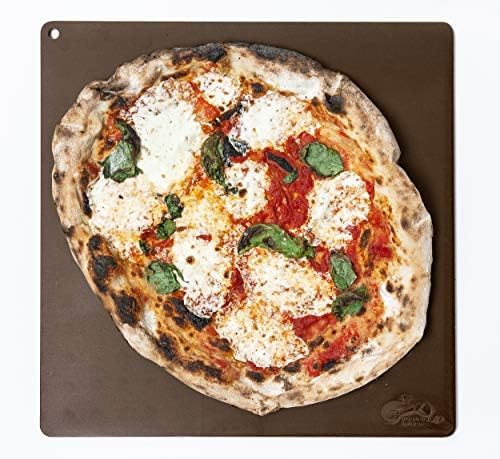
At a full 3/8 Inches thick, this USA-made carbon steel slab is the heaviest, highest-heat-retention option in the lineup, pre-seasoned and built to last a lifetime. This is your best choice if you want the results of a wood-fired stove at home. You can bake pizzas side by side without having to worry about the steel losing its heat.
Pizza Steel vs. Pizza Stone
There are two different ways to bake pizza using a Pizza Stone or a Pizza Steel. Pizza stone transfers heat more quickly. This helps create a crisp and well-browned bottom layer, as well as recover heat between pizzas. Steel pizzas transfer heat more slowly. The steel will not crack as easily from changes in temperature, but the stones may. The weight of a steel may be greater, and the metal will need to be seasoned to keep it from rusting. For home cooks looking for a durable product with fast heat transfer, a steel pizza pan can be suited to their needs.
Pizza Steel vs. Other Materials
Pizza Steel vs. Cast Iron
Cast iron can hold a lot of heat and produce a lovely browning effect. It’s heavier and may have less cooking space than a baking iron. Steels are more convenient and provide faster heat transfer. Steels are more convenient and provide faster heat transfer.
Pizza Steel vs. Baking Sheet
A pizza baking steel will produce a crispier bottom layer. It can result in a crispier bottom crust. For simple preparation and pizza baking, a baking tray is ideal. For simple, everyday baking where a super-crisp bottom isn’t the priority, a baking sheet is perfectly fine — and if you’re doing more general oven baking beyond pizza, than this baking oven guide covers what to look for.
Pizza Steel vs. Pizza Pan
A pizza pan can be easily handled and is specifically designed for the baking and shaping of pizza. A steel pan provides a faster heat transfer and greater thermal mass. You should use a pizza iron if you are looking to get a crust that is well browned and crisp.
How to use pizza steel in home ovens
Place the steel pizza on a rack and place it in the oven. Adjust the position to get the crust that you desire. It is best to place the steel on either a lower or a middle rack if you want it to brown more evenly. Heat the oven with the steel inside. Once the oven reaches your desired temperature, you can allow the steel some time to heat. Use a peel for transferring your prepared dough to the surface. After baking remove the pie carefully and allow it to cool down on its own surface.
How long does it take to pre-heat the pizza iron?
The length of time it takes to heat your oven and pizza steel will depend on their thickness. Thick steels require more time to heat due to their larger thermal mass. Pre-heating the stove with steel inside is preferable to placing it in a hot oven later. Heat the steel evenly in the oven at the highest temperature. The steel will reach a higher surface temp before baking if you extend the preheating period if your bottom remains pale.
Pizza Steel Compatibility Guide
Check compatibility before buying a steel for your oven. While most steels will work with standard home ovens, the dimensions and weight of some models may restrict their use. Make sure that you are familiar with the dimensions of the oven (rack width, depth, interior and door clearance) before buying. Pizza sheets may be used with outdoor pizza ovens, pellet grills, and Grills. Choose a small, compact appliance such as a toaster that does not restrict the airflow. Check compatibility with the range of temperatures provided by the manufacturer and the appliance.
How to clean a pizza pan and maintain it
Allow to cool: Allow the pizza iron to cool completely and then clean it.
Remove food: Using a scraper or a stiff-bristle brush will remove food and stuck dough.
Avoid sopping: Never submerge steel in water. This can lead to rust.
Use a minimal amount of soap: Don’t use harsh soap on seasoned metal unless you are told to by the manufacturer.
Dry Throughly: To dry the steel, completely wipe it after cleaning.
Add Cooking oil: To avoid rust, add a thin coating of cooking oils (less that 1.0mm).
Store Properly: Keep steel away from water when not in usage.
How to season a Pizza Steel
Step 1: Clean the Steel
Steel should be cleaned according to the instructions of the manufacturer.
Step 2: Allow the surface to dry
Use a clean towel to dry the steel. It is important to ensure that there is no moisture left on the steel. This can cause it to rust.
Step 3: Apply minimal amount of oil
Spread the cooking oil evenly using a paper-towel or cloth.
Step 4: Heat Steel
Heat the steel accordingly. The manufacturer prescription will recommend the temperature and duration of heating the steel.
Step 5: Let It Cool
Allow the pizza steel time to cool before removing.
Repeat Step 6: Repeat if necessary.
Repeat the oiling and heating procedure several times to develop a more protective seasoning layer.
Can You Use A Pizza Steel For Other Foods?
pizza steel for oven can be used for other purposes. “This tool is useful for flatbreads (naan) and pastries that require a well-browned or crisp bottom — similar to the blistered, charred crust naan gets in a traditional tandoori oven, though a pizza steel can approximate that effect in a regular home oven.” Use it to reheat foods which benefit from direct heat at the bottom. Avoid placing foods that are too moist directly on steel. This can lead to rust. Be sure to follow the manufacturer’s guidelines and the maximum temperature when using the steel other than for pizza.
Common Pizza Steel Mistakes
Avoid these mistakes when using your pizza steel for oven.
Underheating or a cold steel: An underheated or cold steel will not provide a strong bottom heat.
The wrong size of steel: Steels that are too large can be dangerous to use in your oven.
Use too much flour: The excess can burn on the surface and cause smoke.
Adding excessive toppings: Avoid adding too many toppings. A crust that is moist can become mushy.
Cleaning with excessive amount of water: Avoid cleaning with excessive water, as it can cause the steel to rust.
Don’t ignore the weight: “Don’t ignore the weight: Steels that are thick can be difficult, especially when they get hot, to move — a solid pair of oven mitts makes repositioning or removing a hot steel much safer.”
Preventing seasoning: Carbon steel that has not been seasoned requires the proper treatment for the prevention of rust.
FAQs
Does a pizza steel make pizza better?
Yes. The bottom crust will be better browned with a pizza baking steel.
How thick is a good steel for baking pizza?
Most home ovens are suitable for a thickness of between 1/4 and 3/8 inch. Thicker steels have a greater thermal mass, but are heavier and require longer to heat.
Can pizza baking steel rust?
Yes. Carbon steel must be kept dry to ensure it maintains its seasoning.
Can I leave pizza steel in oven?
If the steel is installed correctly and does not interfere in any way with oven racks or door, you can install it. Please follow the instructions of the manufacturer.
Is pizza steel better than pizza stone?
Steel transfers heat faster and is less likely to crack. Pizza stones are more heat resistant than other materials. Choose your preferred crust type and method of cooking.
Final Verdict
The size and frequency of baking pizzas determine the best oven-pizza pan. A solid carbon steel pan with an appropriate thickness is ideal for the majority of home chefs. It will allow for good heat transfer and produce a crisp, well-browned crust. Before you buy, measure the thickness and weight of the steel. You should invest in a steel to improve the results of a home oven if you make pizzas regularly. A good baking steel will last a long time if you use it properly and maintain it.
These information are gathered from different surveys, medical tests and tech giants like google, Techradar, and more. Our top priority is to provide you valuable information.
For More Details About Different Ovens Click Here