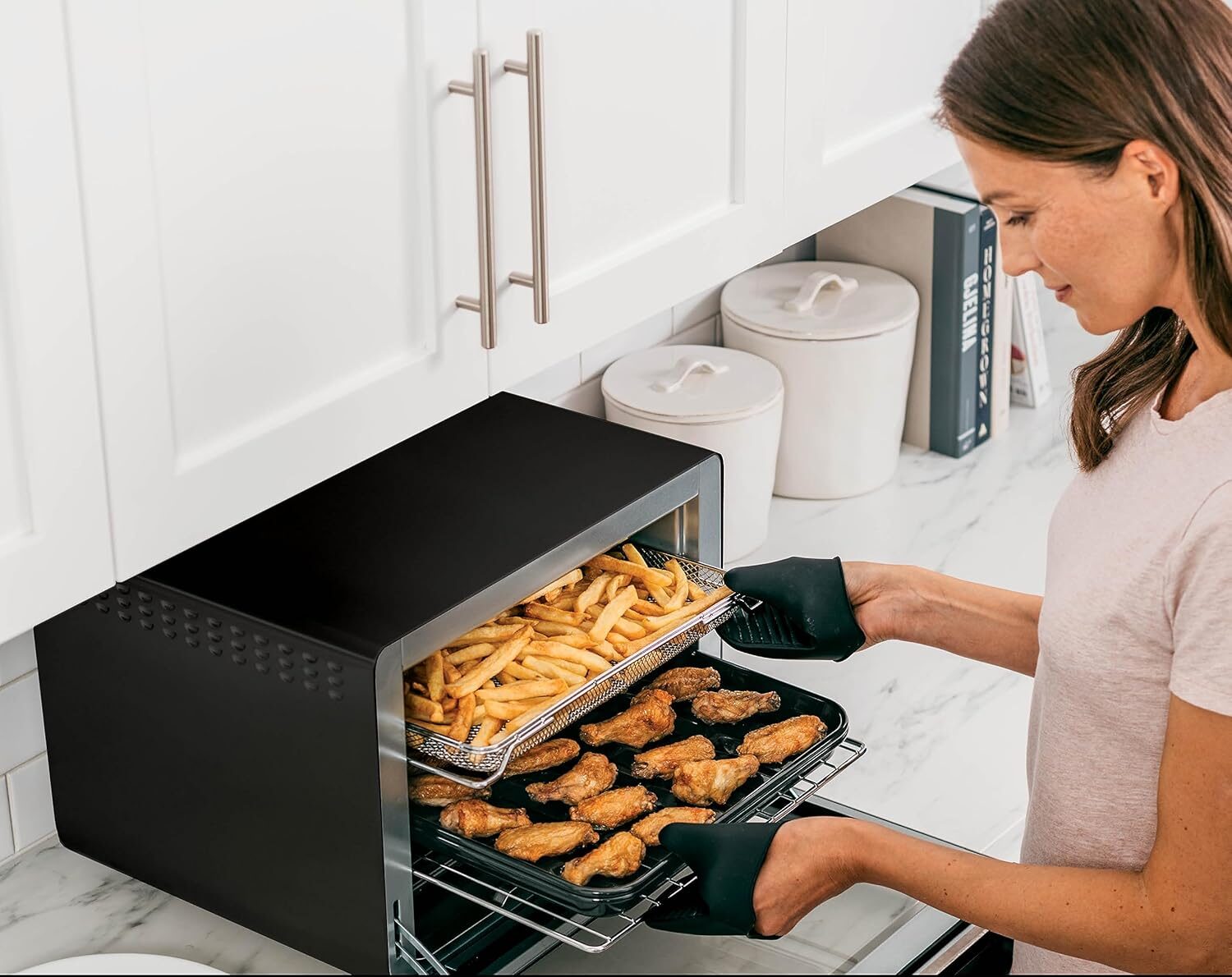
Why Understanding Your Oven Matters
Conventional Oven, Convection Oven. A good selection of oven can be the difference between a good and a bad cuisine. Convection ovens move hot air using a fan to achieve a uniform cooking. Many home cooks are confused by the differences between the two types of ovens. This guide on convection oven conventional cooker will give you a better understanding of the oven.
It can be used to bake or roast meats, as well as cook multiple dishes. In general, convection cooking is faster and better for roasting food. But it’s not for baking, for which people prefer conventional ovens. In this guide we explain oven settings, how cooking times are affected, and give practical tips to ensure you can choose the best oven that works for your kitchen needs.
What Is a Conventional Oven?
A conventional oven refers to an old-school oven without a fan, heating food with a top and bottom heating element which radiates heat towards the food.Because it produces a steady, soft heat, this oven is ideal for making cakes, quick breads, and casseroles that require a moist enviroment. Generally speaking, home cooks will choose a conventional oven since they provide reliable results when it comes to Quick breads and desserts.
While not as quick as convection ovens, conventional ovens are fairly straightforward to use and reliable. Roast plus a conventional oven to get perfect every time roasting a meat, or cooking two separate dishes at once. When I learned of the aprons of learning on the differences in conventional oven convection, I also better understood how to use the apron and oven settings.
What Is a Convection Oven?
A convection oven is a type of oven that not only contains a fan, but also a exhaust system that circulates hot air around the food. This means that it allows air to circulate more around the food to cool it faster and even in contrast to a conventional oven. The pan is also suitable for baking cookies and roasting meats. Convection ovens can be used to bake, roast and cook several dishes at once. What home cooks have back-pockets in their brains about: does convection actually cook faster than conventional? The answer is yes, in most cases, at 25%–30%. You can achieve the best results by adjusting oven settings. This includes temperature and time. Knowing how the convection works in an oven standard can help you choose the best type of oven for you.
How Conventional Ovens and Convection Ovens Differ
For the home cook comparing the two conventional oven, convection unit to make an informed decision on what appliance works best for your cooking needs, it is essential to understand the difference between a conventional oven and a convection oven: The differences primarily have to do with heat distribution, time until cooked, the browning effect , and energy savings.
| Feature | Conventional Oven | Convection Oven |
|---|---|---|
| Heat | Radiant heat ─from top & bottom | Contains gently circulating hot air |
| Cooking Time | Longer | Typically 25–30% faster |
| Browning | Less even | Crispy, golden results |
| Best For | Cakes, custards, delicate baking | Roasts, breads, multi-rack cooking |
| Power Efficiency | Standard | More efficient, saves electricity |
However, you should see these differences between a conventional versus a convection oven as an opportunity to state your needs and preferences for each type of baking, roasting, and cooking in a machine where they are set to be even helpers.
When to Select Conventional or Convection
Sometimes, having a conventional and conventional that both function just fine simply isn’t enough. For more delicate baking — cakes, custards, cookies — choose a conventional oven.What you do want is the gentle, even heat of a conventional oven. The convection system circulates heat so that your roasts or breads will be cooked faster and more evenly. The question that home cooks ask most often is if conventional or convection style ovens work the same way.
Although there are a few tricks to help with even browning, the true crispiness that comes from using a convection is unmatched. The convection functions of a normal oven and a true convection are both important for cooking. However somes units are claimed as the conventional oven convection combo technology. That have both conventional oven convection technology and Hybrid cooking features. But It is to be remeber that conventional oven ,convection oven are separately better to be performed in Kitchen.
How to Adjust Recipes for Convection Baking
You must adjust your recipes for convection systems. You should reduce the temperature to about 15°C before checking your food. It is due to the fact that convection cooks evenly and quicker.
Many home cooks will move pans around to ensure that everything is cooked on the same level. Knowing these differences in oven settings and how long something takes to cook helps you conquer convection baking — from roasted meats to baking bread to getting even dozens of dishes. Things to Remember to Unique Cooking Convection in a Conventional Oven.
Conventional oven ,convection ovens both have rivalries in term of cooking/baking. Some foods are only meant for conventional oven, convection airflow fulfill the Gap by lowering the heat intensity instead of Quick Heating resulting into safe cooking.
Top Amazon Picks of Convection and Conventional Oven
Conventional Oven ,Convection units are two different appliances for Home chefs. However some of the most recommended conventional oven convection units are given below:
A) Conventional Oven Picks
Elite Gourmet ETO‑4510M French Door Countertop Oven
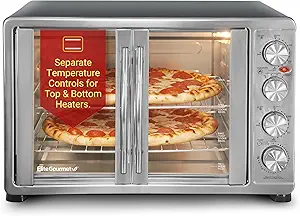
Features a large 47.5‑quart capacity, ideal for baking, roasting, and toasting family meals; these are top-selling conventional ovens. It’s even radiant heat and a straightforward control system have also drawn many kudos from users, which is great if you want the old-school heating style of a conventional oven convection arrangement.
AMZCHEF 24″ Single Wall Oven
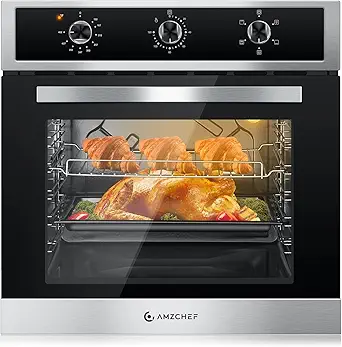
The ease of use and consistent distribution of heat are two things that have been praised about this conventional wall oven. This is the best conventional wall oven for those who are looking for a simple, straightforward oven without convection.
Conventional Style — Empava 24‑Inch Electric Single Wall Oven
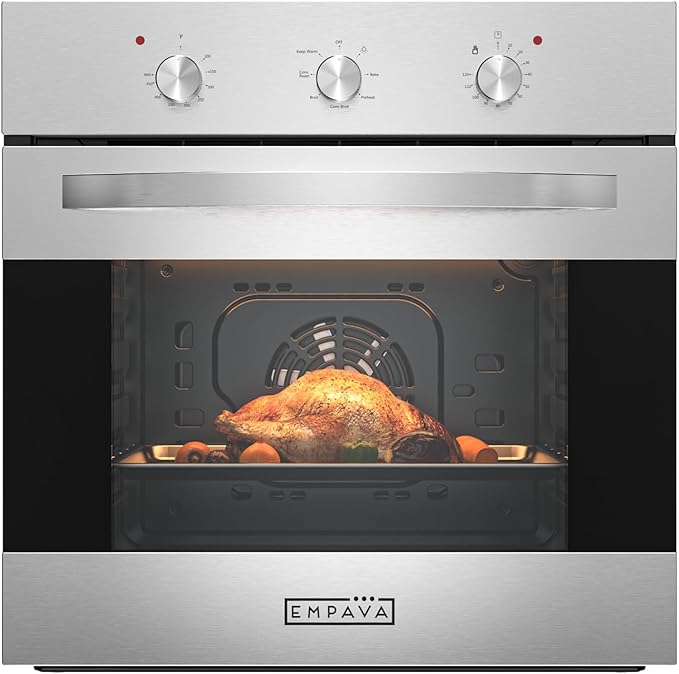
Most wall ovens today incorporate convection, but this Empava 24 in. built‑in wall oven still ranks in buyer guides and Amazon reviews for solid, reliable cooking on basic (radiant heat, mechanical knob, or entry-level controls) bake functions that make it traditional classic oven convection cooking style easy to find with the best selector.
B) Convection Oven Picks
Breville Smart Air Fry Pro Oven BOV900BSS
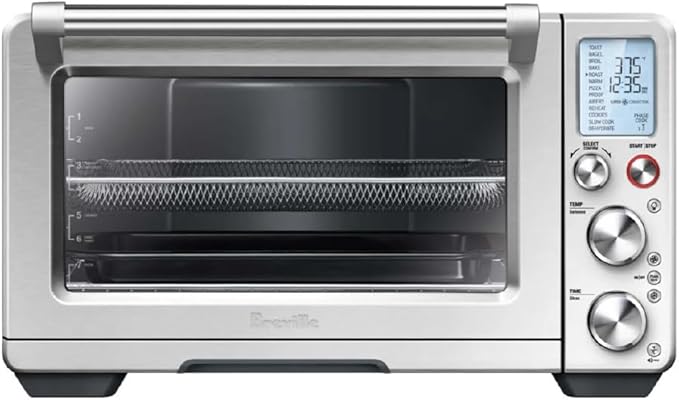
This Breville Model is the Amazon’s top-rated oven that offers multi-cooking modes. Even hot‑air circulation and reduced cooking time, enabled by its Element iQ System, allow many users to achieve better browning in record time compared to conventional ovens.
Ninja Foodi XL Pro Air Fry Oven
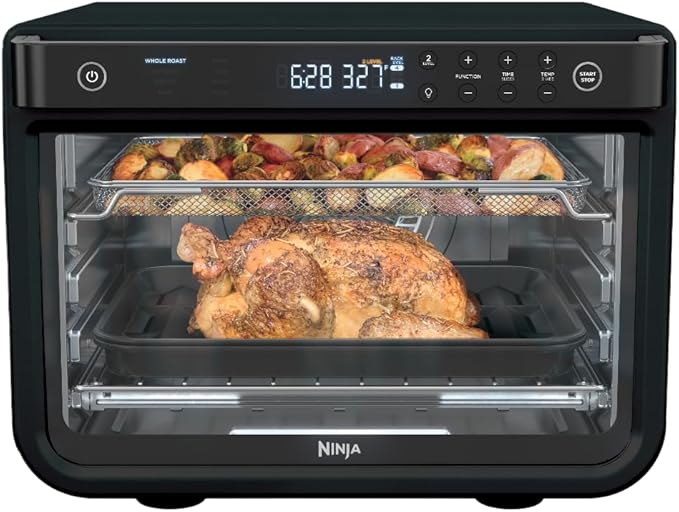
We know that it’s a convection top-rated oven, with great performance in air frying. This convection model has over 10,000 ratings of five stars, which is a good demonstration why they are better than conventional ovens for cooking times and many other recipes.
Cuisinart Air Fryer + Convection Toaster Oven
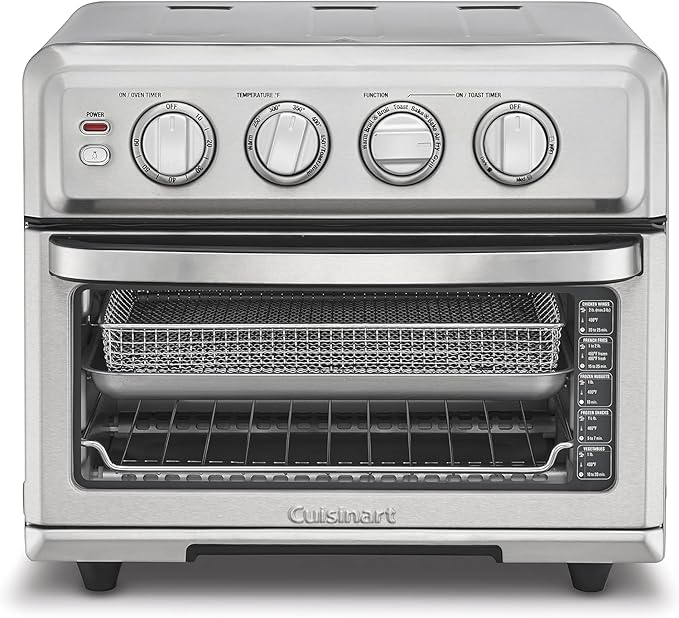
The model’s ability to toast, bake and broil is one of its best features. Even heat distribution and a small footprint are traits of the conventional oven convection setups built for today’s kitchens, proving just as powerful in smaller footprint homes and apartments, which are appreciated by users.
Conventional Oven ,Convection Ovens both way of cooking are unique and satiesfied, espacially these recommended ones.
Hybrid & Convertible Mode Of Oven
With the advent of hybrid and convertible oven technologies, the concept of conventional oven convection cooking has come a long way. In the world of many modern kitchens, knowing conventional oven convection tech is less a battle in choosing one cooking method over another, and more a knowledge set in how to properly change modes. In conventional oven convection mode, hybrid ovens enable cooks to turn the fan on or off as needed by the recipe, making them more versatile for everyday cooking. This means that the richest is a terrific benefit for families which cook several forms of food along with baked products to roasted food.
More and more modern appliance manufacturers conventional oven convection combo technology and produce ovens that highlight both traditional oven and convection performance and give users greater control over cooking results. If used properly, this flexibility also enhances consistency, coherence, and confidence in the overall cooking.
The Function of Mode Switching
The ability to turn on or off conventional oven convection airflow is a game changer when it comes to texture, browning, and cooking time. For instance, cakes and custards do best with conventional oven convection baking turned off to ensure gentle, consistent heat. Conversely, with conventional oven convection mode on, roasting meats, baking bread or cooking on multiple racks becomes much quicker and much more predictable. A lot of recipe failures occur due to cooks not properly understanding how convection technology behaves with regard to conventional ovens, and using the wrong setting.
This is because airflow and heat circulation have a large effect on the results, so in professional kitchens they train chefs intensively in convection cooking. Home cooks who master the proper switch probably saves time, enhance browning, and avoids food from overdrying. Making convection mode in the common conventional oven behave like a flexible system, rather than a hard function, provides consistently better results in everyday cooking.
Oven Maintenance Tips
Regular cleaning of your conventional/convection oven makes your cooking even-time after time and increases the practice of use. With conventional ovens, if grease builds upon the bake components and also inner wall surfaces and causes irregular heating, maintain this tidy routinely. The next step would be to clean the fan and the exhaust system (if you have a convection oven); think about the amount of dust and crumbs that can block airflow and therefore affect its cooking.
Resist the oven settings because it should be calibrated with it and do not use any harsh chemical which may scrape oven coating. Simple upkeep — wipe up spills before they cool, use oven liners and check seals — will probably serve most home bakers well and help bake better results, and those methods should keep their conventional oven convection configuration baking like new. Conventional oven, convection ovens, maintaining both requires daily cleaning.
FAQs
Q1: Can convection cook faster than conventional?
Yes. Convection moves the hot air around in your oven 25-30% faster than traditional ovens. It also shows you how set up your convection to ensure that it doesn’t overcook.
Q2: Are conventional and convection cookers the same?
While you can work in batches and switch pans as needed, nothing compares with a traditional convection stove for more even browning. A conventional oven’s fan-assisted flow of air can be close, but they will never match the results.
Q3: What oven should you use to bake cookies and cakes?
This means the hot air travels (or rather circulates) around your baked good – a convection oven would be better for delicate baked goods such as cookies, cakes, and custards. The convection oven; useful for roasting of bread or cooking on two racks. Traditional oven convection configurations can help steer you.
Q4: How do I convert recipes for convection baking?
Cooking times are accelerated AT LEAST 2.5x and food cooks WAY more evenly. Reduce the test temperature to 15degC (or 25degF) as soon you can.
Q5 – Is the difference between conventional vs. convection-style ovens clear?
The meaning of what I say may not be obvious. Convection baking is a method of cooking that uses heated air rather than direct and indirect heat. All of this means that convection cooks (in an oven standard) play a large role in the cooking process, browning or heat distribution.
Q6. What is the best Convection Oven to buy for your home?
For those who cook a lot, bake or roast a lot of breads and meats and do bulk cooking. Convection Ovens have the advantage of being more convenient, efficient and effective than traditional stovetops. They also produce superior results.
Q7 Is it possible to bake a cake using convection technology?
You can use a regular stove to reduce the temperature down to 15degC. You may burn the pastry before it even starts to cook.
Conclusion / Recommendation
Convection Oven Vs Regular Oven Baked goods that call for a gentle, stable temperature–custards, cakes, soft bread, and cookies–are good candidates for convection. Cooks at home can bake the most basic of foods using traditional ovens. A person who wants fast, even results might choose a convection oven. Knowing where the heat builds up or fades inside helps get better dishes out.
In generall upcoming era is about the conventional oven convection technology combo. Some units are still present in market that requires a little bit of technique for cooking in mode of conventional oven convection units. Cake and Quick Bread for Conventional Oven ,convection airflow for roasting meat and baking cookies all depends on the use of Home chefs and his Demands.
These information are gathered from different surveys, medical tests and tech giants like google, Techradar, and more. Our top priority is to provide you valuable information.
For More Details About Different Ovens Click Here