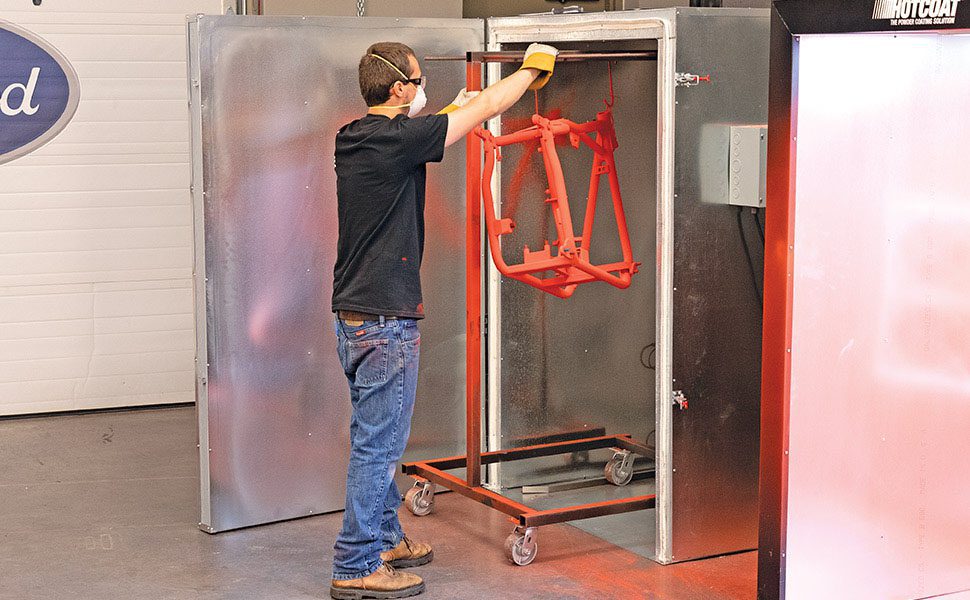
What is Powder Coating Ovens?
Powder coating ovens have an enclosed heating chamber. The high temperature is used to cure the powder-coated material. The temperatures range between 350degF – 450degF. Heat transforms powder to a protective and even finish during the powder coating process. The powder curing oven is different from a food oven in that it ensures even heating and airflow. Small electric powder coat ovens or DIY powder coat ovens are used by many hobbyists for their garage projects. It is best not to use the same oven when cooking and powder coating. This will help avoid any safety risks and contamination.
How does a Powder Coating Oven work?
The powder is formed by melting metal coated parts and forming a protective coating. Powder coatings are applied using electrostatic charges to ensure they adhere to surfaces evenly. The part will then be placed in the powder coat oven with controlled convection and airflow to help maintain cure consistency. The heat circulates continuously in most electric powder coating ovens to avoid bubbles and uneven curing. It is important to control the temperature in DIY powder coat ovens. Overheating or undercuring can cause damage. Powder coating looks durable and professional because of this curing cycle.
Why do we use a powder coat oven?
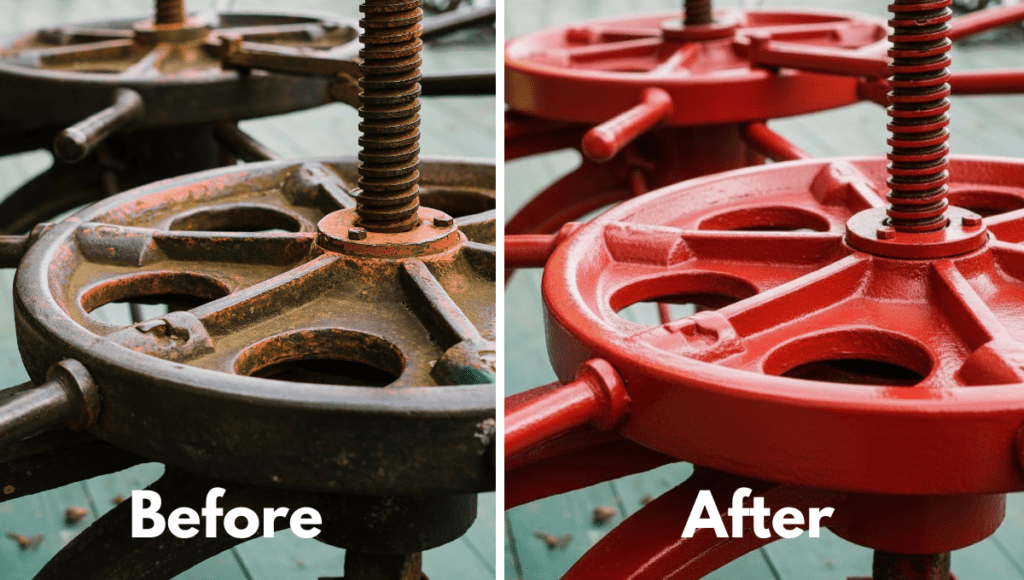
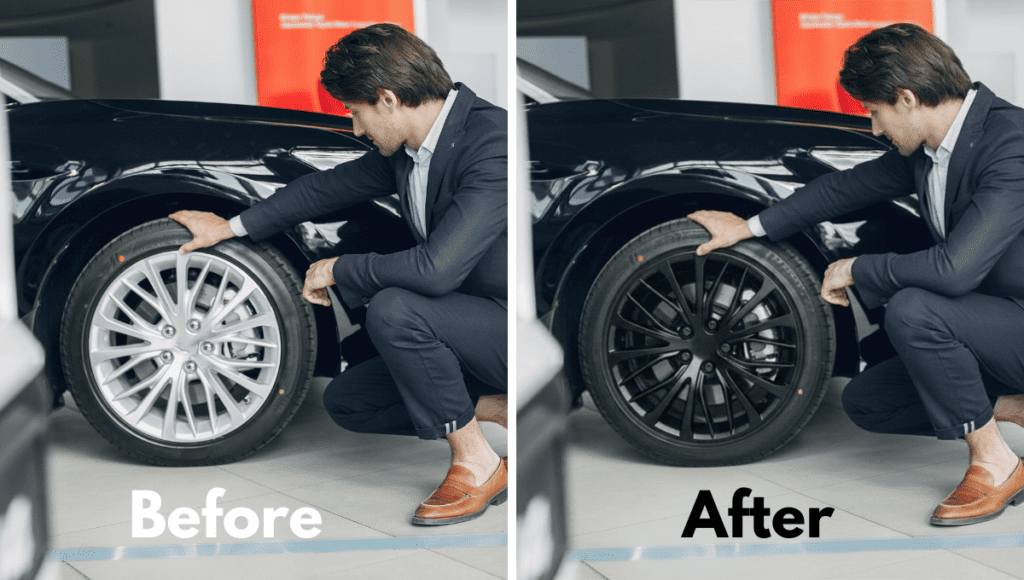
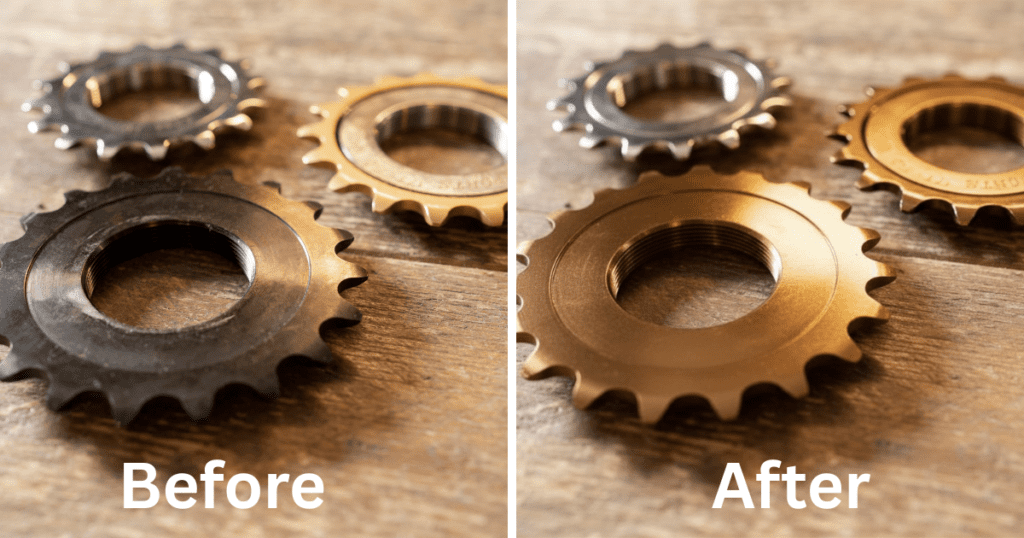
- Powder coatings can be cured in powder coat ovens so that the metal surfaces melt, flow into one surface, then harden.
- This is applied after powder spraying to make a thick layer of protection.
- The paint has a higher resistance to corrosion or chemical agents than normal paint.
- The material is used in many automobile components, including wheels, frame, brackets and engine parts.
- It can be used to protect metal items in the home and workshop, such as racks, furniture frames and tools.
- It is used for mass production of coated metal components that are then used as parts in machines and appliances.
- The coating is not applied, but the powder that has already been applied hardens.
Types of Powder Coat Ovens
Electric coating ovens
It is popular among DIYers because it provides precise temperature control.
Gas-powered ovens for powder coating
Commonly found in professional shops that require faster heating or higher production capacities.
Infrared powder-coated ovens
Infrared heaters can be used to cure coatings quickly on small components.
Powder Coating Conveyor Ovens
Industrial systems are designed for large-scale coating operations and continuous production lines.
Small powder-coated ovens
This is the best choice for compact garages or small workstations.
Home-made ovens for powder coat
There are custom-built solutions available for those users looking for an affordable DIY solution tailored to their particular needs.
Best Ovens for Powder Coating In 2026
1) Eastwood Benchtop Powder Coating Oven
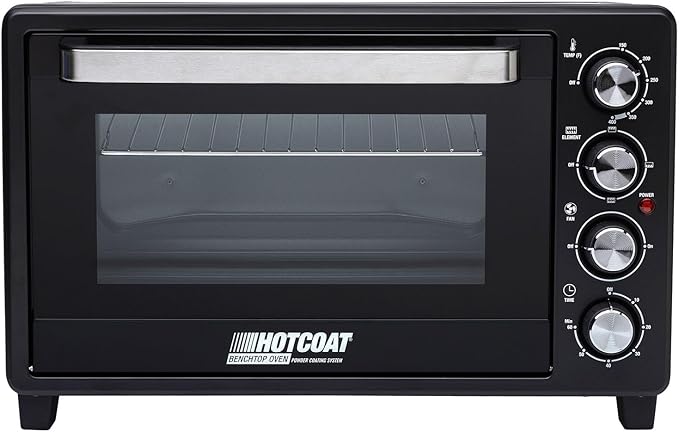
Eastwood Powder Coating Ovens are designed to be used by DIYers or for small workshops that require reliable curing without taking up much space. Its compact design makes it ideal for use on small metal parts such as motorcycle parts, tool handles, brackets, and more. Powder coating results are consistent thanks to the adjustable temperature range. Meanwhile, the countertop design is perfect for garages. This electric powder oven is a great option for hobbyists who don’t want to modify their kitchen ovens.
2) JEGS Powder Coat Oven
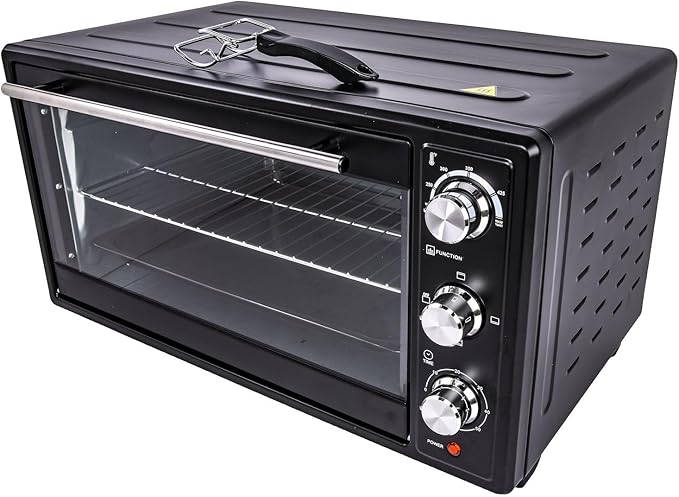
The JEGS Oven for Powder Coating is ideal for smaller powder coating projects. Beginners can use this oven in garages and workshops. The small size of the oven allows for easy installation in tight areas while allowing enough space to accommodate automotive hardware and wheel brackets. This oven has been designed to cure at a constant temperature, which improves adhesion. The powder coating oven is a great option if you don’t want to build your own setup.
3) Eastwood HotCoat Powder Coat Oven Package
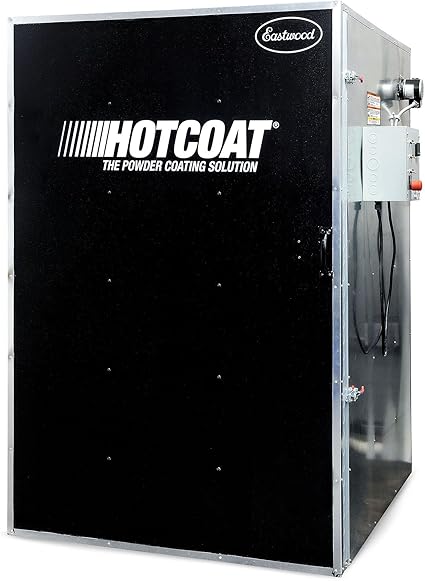
Eastwood HotCoat is a package designed for those who want a compact and beginner-friendly solution to cure powder coats in small shops. Its compact electric oven design allows for the curing of custom metal components, tools, and automotive accessories with controlled heat distribution. The setup is great for DIY powder coat projects, where consistent curing temps and space-saving designs are key. It is an excellent option for those who are upgrading from their own powder coating ovens.
4) Eastwood HotCoat Powder Coating Curing Oven
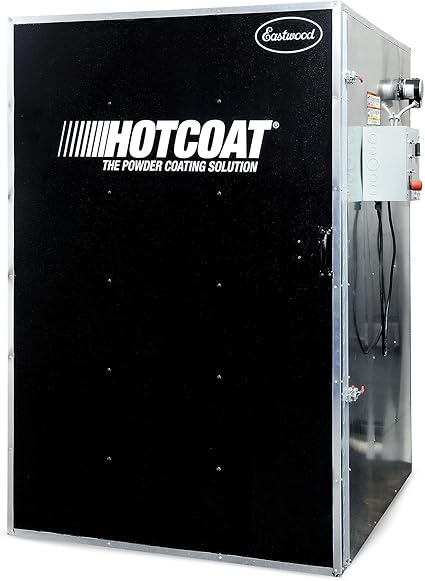
Eastwood HotCoat Powder Coating Curing Ovens work well for powder coating applications of small to medium sizes and can be placed in garages or small fabrication spaces. It also helps reduce problems such as uneven surfaces and weak adhesion. The compact design, electric heating, and ease of use make this a great powder coating system for users working on bike parts, wheel, brackets or custom accessories.
5) Eastwood Powder Coating Oven Kit
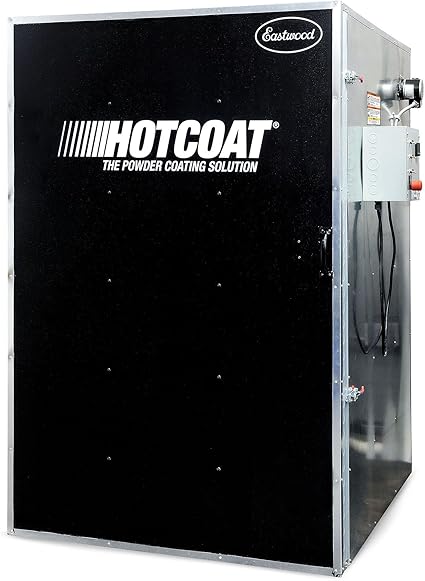
This Eastwood oven kit for powder coating offers a compact cure solution to hobbyists or small workshop environments. Kit is for powder coating small metal components and those that need to control heat more accurately for better cure. Compact design is ideal for use in garages and countertops, as well as DIY projects that require powder coating of automotive tools, hardware or customized parts. The smaller industrial ovens are more suitable for those who want to start out with powder coatings.
Ideal Powder Coating Temperature and Cure Times
The powder type and thickness of metal determine the ideal powder coating temperature. This range is usually between 350degF–450degF. Small powder coat oven, such as countertop electric ovens for powder coating, follow the same curing range as larger systems. Many DIY powder coat ovens begin curing after metal reaches the desired temperature and not at the time the oven heats up. Over-cured powders will appear duller and may even discolor. It is important to choose an oven with a consistent airflow and heat for smooth, durable surfaces.
DIY Powder Coating Oven Setup Guide
DIY Powder Coat Oven is an excellent option for smaller workshops and garage projects. Many hobbyists build a powder coat over using inexpensive sheet material, insulation panel, and controlled heating elements. A compact powder coat is perfect for wheels or brackets. Tools and other small metal pieces can be coated in a powder coating oven that doesn’t require much space. To maintain an even heat distribution, it is important to use a PID thermostat that can be trusted, a ventilator with good airflow and proper ventilation as well. Building your own powder coat oven should take into account electrical safety and insulation as well as stable curing temperatures for professional powder finishes.
Problems with Powder Coating Ovens
- Uneven heat distribution
Uneven curing is caused by hot and cold spots, due to a lack in insulation, airflow or both. - Under-curing
The coating will become dull or brittle if the temperature is low enough. - Overheating issues
Surface defects, such as an orange peel texture and discoloration, can be caused by excessive heat. - Poor airflow circulation
A common problem with small powder coating machines or DIY ovens. - Bubbling, or outgassing
This happens when contaminants and trapped gases from poorly cleaned metal surfaces escape during curing. - Inaccurate temperature control
A defective thermometer or sensor can lead to poor coating performance and unreliable curing. - Insulation not adequate
This causes heat loss, reduces the efficiency of curing, and has an overall negative effect on consistency.
Powder Coating Ovens Safety Tips
DIY powder coat ovens are used in many garages and home workshops. Safety is paramount. The powder coating of the ovens should not be used to cook. Surfaces can be contaminated by either fumes or residues of powder. DIY powder coating ovens must have proper ventilation to prevent the accumulation of dust, heat, and smoke. In order to reduce the risk of fire and excessive heat, powder coat ovens are equipped with electrical wiring. Always use heat resistant gloves to handle metal. A room that is going to be used for curing should have a good ventilation system. It will improve the safety of your coating as well as make it cleaner and more uniform.
Maintenance Tips for Powder Coating Oven
For a diy powder coat oven to operate at its optimum temperature, you must maintain it. This will also produce a quality finish. Airflow can be reduced by residue and powder particles. This will affect the curing process. It is vital to inspect insulation panels and clean the heating elements of your DIY Powder Coating Oven. Inspection of temperature sensors is necessary to avoid inaccurate curing or uneven heat. A well-kept spowder coating oven lasts longer, also it uses less power over time. Wipe down the surface often since a tidy powder coating finish runs better and holds up stronger.
Do DIY Powder Coat Ovens Worth it?
For hobbyists, who paint metal frequently, the DIY powder coat is a good investment. Small electric powder ovens are popular options for powder-coating. The compactness and reliability of the oven make it a popular choice. A powder coat oven can be durable when temperature and airflow are controlled properly. But users who are responsible for large production jobs will benefit from commercial powder coating ovens. These are designed to operate continuously and in a heavy-duty manner.
FAQs
How Can You Powder Coat In A Toaster Oven?
Many hobbyists powder coat brackets using small toaster ovens. It is possible to use a countertop electric oven for DIY projects by beginners if the temperature can be kept stable.
How Hot Can a Powder Coating Curing Oven Be?
Most powder coating ovens are between 350degF – 450degF. This depends on the type of pigment and your cure needs. The consistency of the heat distribution is critical to adhesion.
When will powder coating cure?
After the metal has reached a specific temperature, most powder coatings are done in intervals of 10-20 minutes. The curing time of thicker material may take slightly longer.
What is better for powder coating? A gas or an electric powder coating oven?
Electric Ovens are best for DIY or small-scale workshops. They are also ideal for powder coating. They offer more stability and easier installation. Gas ovens can be used for industrial powder coat operations.
Can Powder Curing Ovens Be Used Indoors?
If you have enough room, it is possible powder-coat inside of a small well ventilated oven. For DIYers, garages make the best workshop.
How large a powder curing oven do I require?
Powder coating small metal parts such as brackets, wheels or tools can be done with a compact electric oven. For heavy industrial work, larger ovens are needed.
Final Verdict
For durable and professional powder coating finishes, professional models play a vital role. Oven for powder coating can make all the difference in curing. A small curing oven can be more affordable and manageable for hobbyists or garage workshops than an industrial curing oven system. Even a home-made powder curing oven, with the correct temperature, ventilation and maintenance can produce long-lasting and smooth results on metal tools, brackets and wheels.
These information are gathered from different surveys, medical tests and tech giants like google, Techradar, and more. Our top priority is to provide you valuable information.
For More Details About Different Ovens Click Here